Heat and Insect Control for Sheep and Goats: Protecting Performance When Conditions Turn Tough
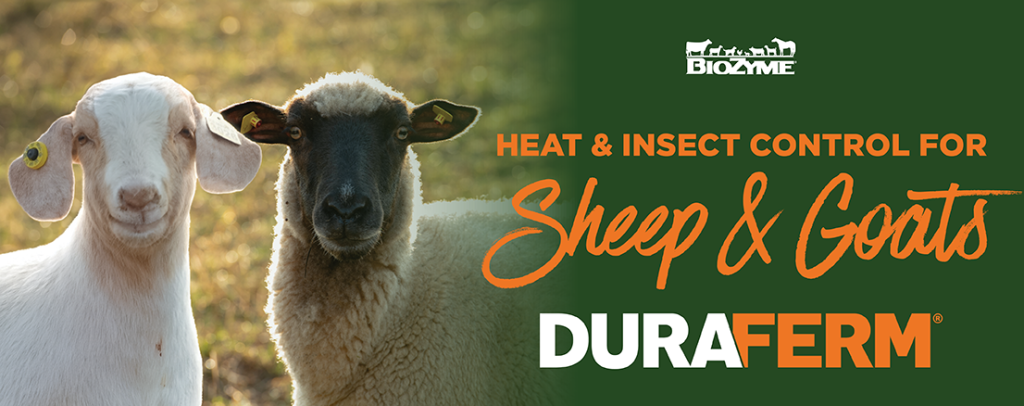
If you own livestock, you’ve got insects. Furthermore, if the livestock are sheep or goats, flies, ticks and other pests can lead to economic losses and physical harm and discomfort to your animals. This time of year, warm weather should signal opportunity—lush forage, active growth, and animals reaching their potential. But as temperatures climb and insect populations surge, that opportunity can quickly turn into a management challenge. For producers, heat and insect control for sheep and goats becomes essential to maintaining health, performance, and profitability.
Why Heat and Insect Control for Sheep and Goats Matters
Sheep and goats are resilient, but they are not immune to environmental stress. When heat and insects intensify, animals must divert energy away from growth, reproduction, and production just to maintain normal body function.
The result?
- Reduced feed intake
- Lower average daily gain
- Decreased milk production
- Compromised immune response
- Increased susceptibility to disease
Effective heat and insect control for sheep and goats helps protect not just comfort, but measurable performance outcomes.
Understanding Heat Stress in Sheep and Goats
Heat stress in sheep and goats occurs when animals cannot dissipate enough body heat to maintain a normal internal temperature. Unlike cattle, small ruminants vary widely in their tolerance depending on breed, wool or hair coat, and environmental conditions.
Common Contributors to Heat Stress
- High ambient temperatures
- Elevated humidity
- Limited airflow
- Direct sun exposure
- Poor-quality or limited water access
Dark-coated animals and those with heavier fleece are often more susceptible, particularly if shearing is delayed.
Signs of Heat Stress to Watch For
Recognizing early indicators allows for faster intervention.
- Increased respiration or panting
- Reduced grazing activity
- Seeking shade or clustering in shaded areas
- Lethargy or decreased movement
- Increased water consumption
As stress intensifies, performance declines become more noticeable. Animals simply cannot maintain normal productivity under prolonged heat load.
The Insect Factor: More Than a Nuisance
Insects are often underestimated, but their impact is significant. Flies, gnats, ticks, and other biting pests disrupt normal behavior and create constant irritation.
Stable flies, house flies and face flies all cause major irritation to sheep and goats. House flies are a key carrier of diseases with more than 60 human and animal diseases being traced back to the house fly. The bites of a stable fly are painful, and the stable fly will search for its next meal, aka bite the sheep and goats where it causes the most pain—in the flank and on the legs. In severe cases, insect pressure can contribute to conditions like pinkeye or secondary infections.
Especially during the summer months, the fly bites cause stress in livestock, resulting in less intake and reducing performance in pounds gained and converted due to reduced grazing. Typically, if you notice livestock bunching in a group, that is an indicator that the bite pain is severe enough to impact production and profits.
More than Flies Cause Insect Issues
Sheep keds, ticks, and mosquitoes are other insects that suck blood, transmit disease and will cause enough stress to lower performance. The female sheep keds have a life span of 6 to 8 months and in that time can produce up to 15 offspring, which result in more bites and irritation. Sheep keds are a primary transmitter of the blue tongue virus.
Ticks lead to several primary and secondary losses in both sheep and goats, as their primary means of survival is feeding on the blood of their hosts. Summer is an ideal time for tick breeding due to both the heat and humidity.
Ticks cause damage to skin, hide, wool and hair, as well as blood loss (anemia), and overall decreased performance. Sheep and goats often decrease milk production and can go off feed, causing weight loss due to tick-borne illnesses.
Although mosquitos are pesky to humans, you might not realize what a threat they can be to your flock and herd. Mosquitos transmit Cache Valley Virus, a blood-borne virus to ewes and does, causing damage, especially to those in early gestation.
If a bred female contracts Cache Valley during the first 28-30 days, she will likely abort her fetus. Females affected with CVV 30-45 days into gestation often develop congenital abnormalities affecting the nervous system, resulting in abortions, dystocia, weak lambs, stillbirths and lambs with severe structural deformities. If a lamb is born full-term, it is often too weak to live very long. An increase in open females and dead lambs leads to fewer animals to market at weaning. Learn more about preventative measures against Cache Valley Virus.
How Heat and Insects Work Together
Heat and insects amplify each other’s effects. As temperatures rise, insect populations explode. At the same time, animals already stressed by heat become less tolerant of irritation.
This leads to:
- Increased movement and agitation
- Reduced grazing time
- Higher energy expenditure
- Greater stress hormone production
It’s a cycle that chips away at performance from multiple angles. That’s why it is vital to implement your heat and insect control for sheep and goats synergistically. If you are preventing one nuisance, you might as well implement an overall spring stress management plan for sheep and goats.
Water: The Foundation of Heat Management
Water is the first and most critical tool in heat and insect control for sheep and goats.
During hot weather, water intake can increase dramatically. Without adequate access, animals cannot regulate body temperature effectively.
Best Practices for Water Management
- Provide constant access to clean, fresh water
- Ensure adequate trough space to prevent crowding
- Place water sources in shaded areas when possible
- Check and refill frequently during peak heat
Water is not just hydration. It is a primary cooling mechanism.
Shade & Shelter: Creating a Cooler Environment
Providing relief from direct sunlight can significantly reduce heat stress.
Shade Options
- Natural shade from trees
- Portable shade structures
- Permanent shelters
Goats, in particular, will actively seek elevated or shaded areas, while sheep benefit from consistent access to shelter, especially post-shearing.
Improving airflow through pasture rotation or strategic pen placement can further reduce heat buildup. Not only does air movement – like from large fans – keep the air cooler, it also helps deter insects at the same time.
Shearing & Coat Management
For sheep, timing of shearing plays a critical role in heat tolerance.
- Shearing before peak summer temperatures helps reduce heat load
- Avoid shearing immediately before extreme weather events to prevent additional stress
- Monitor for sunburn risk in newly shorn animals
Hair sheep and goats generally handle heat better but still require proper management.
Practical Insect Control Strategies
Managing insect pressure requires a multi-layered approach.
1. Environmental Control
- Remove manure buildup where possible – keep pens clean of excess waste and keep manure piles away from barns and pens where livestock are living.
- Manage standing water to reduce breeding sites
- Maintain clean feeding and watering areas
2. Physical & Chemical Controls
- Use approved fly control products such as sprays, pour-ons, or tags
- Rotate products to prevent resistance
- Always follow label directions for safety and effectiveness
3. Pasture Management
- Rotate grazing areas to disrupt insect life cycles
- Avoid overcrowding
- Maintain pasture health to reduce stress on animals
Effective heat and insect control for sheep and goats is about reducing pressure from every angle.
“Anytime we can reduce the fly load on our sheep and goats, that is going to reduce their stress because they are not going to be expending their energy fighting off flies,” said Sam Silvers, sheep and goat breeder and BioZyme® Inc. Senior Manager of Small Ruminant Technical Sales Support from West Texas.
Nutritional Support During Heat and Insect Stress
When animals are under stress, nutrition becomes even more critical.
Maintain Intake
Heat and insect irritation both reduce grazing time. Ensuring access to high-quality forage or balanced rations helps offset reduced intake.
Support Digestive Health
Stress can disrupt rumen function. Supporting a stable digestive environment helps animals utilize nutrients more efficiently. That’s where the DuraFerm® can help. DuraFerm is a line of nutritional supplements for sheep and goats that supports optimal digestion and nutrition for maximized performance at every stage of production. With formulas designed specifically for sheep and goats, there is surely one to meet every producers’ need.
Feed DuraFerm with HEAT® Technology
One all-natural method that helps discourage flies from landing on your sheep is feeding a high-quality nutrition program from DuraFerm with the HEAT® technology. DuraFerm® Concept•Aid® HEAT® Sheep is a free choice vitamin and mineral supplement for sheep designed to support reproductive success when temperatures are above 70 degrees Fahrenheit. The HEAT technology, a combination of essential oils and garlic, to support animals when heat and insects are a challenge.
“The garlic in that HEAT pack helps control some of those flies, which we battle on the sheep side every year with some ewes contracting blue tongue or other fly-borne illnesses. If we can control the flies, that garlic is also helping control the stress of not having to stand there and fight off flies all day long,” Silvers said.
Consistency Is Key
Avoid sudden changes in feed or supplementation during periods of stress. Stability supports performance when external conditions are unpredictable.
Building a Proactive Management Plan
Success comes from preparation, not reaction. Implement a proactive multi-step management plan early on for heat and insect control for sheep and goats to ensure that summer stressors don’t take a toll on your small ruminants.
Key Steps to Plan Ahead
- Monitor weather patterns and seasonal trends
- Prepare water systems and shade before peak heat
- Implement insect control strategies early
- Evaluate nutrition programs for seasonal adjustments
When conditions shift, your system should already be in place.
Bringing It All Together
Managing heat and insect control for sheep and goats is about more than comfort—it’s about protecting performance at every level.
When animals can stay cool, comfortable, and focused on grazing, they are better positioned to grow, reproduce, and perform. When stress takes over, those outcomes slip away.
The good news is that with the right strategies—water, shade, insect control, and nutritional support—you can minimize the impact of even the toughest conditions.
Because in the end, success in small ruminant production isn’t just about weathering the elements. It’s about managing them.
Get DuraFerm Today
Be proactive in your heat and insect control for sheep and goats with quality nutrition from DuraFerm, powered by AO-Biotics® Amaferm®. DuraFerm products are available through the extensive BioZyme dealer network. Locate a dealer near you today.
Sign up for our newsletter to stay informed about best practices for seasonal sheep and goat nutrition and management.